Market Intelligence · 5 June 2026
Why rubber doesn't bounce back: the structural deficit in natural rubber
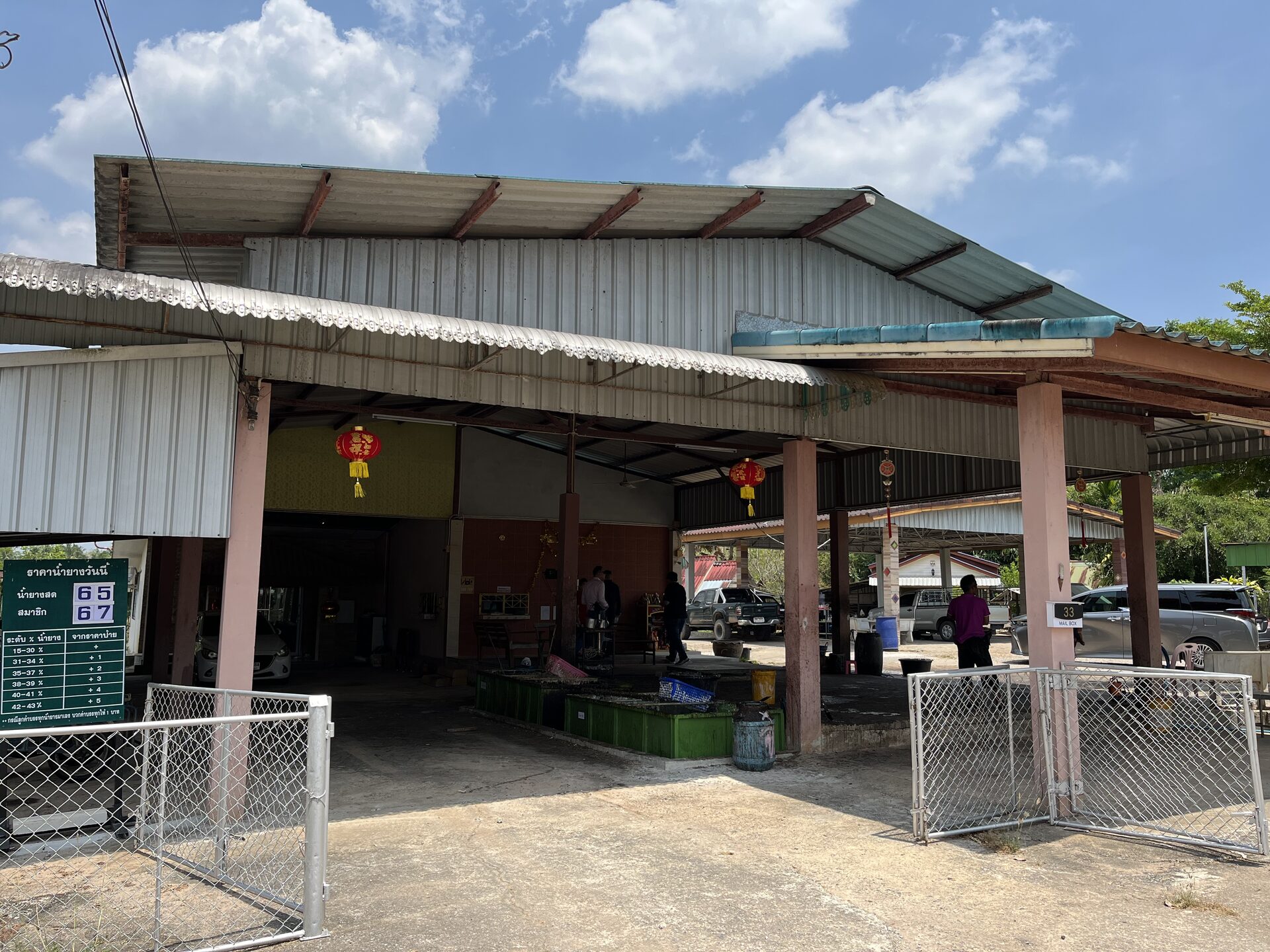
Natural rubber has been in deficit for six years running. The causes are structural, not cyclical — and a tree planted today yields nothing for seven years. For buyers, that reframes supply risk from a quarterly worry into a decade-long one.
When a commodity runs short, the textbook expects price to rise, supply to follow, and balance to return. Natural rubber has spent six consecutive years quietly refusing to follow the script. The Association of Natural Rubber Producing Countries projects a sixth straight year of global deficit in 2026 — production of around 15.3 million tonnes against consumption nearer 15.6 million. The gap is not an accident of one bad season. It is structural, and the structure is slow to change.
For a buyer whose planning horizon ends at the next contract, that distinction is academic. For one thinking a year or three ahead, it is the most important fact in the market.
The defining feature of natural rubber supply is that it cannot respond quickly to a price signal. A rubber tree takes five to seven years from planting to first tap. When prices rise today, the supply that rise might call forth does not arrive until the end of the decade. There is no shale-style swing producer, no inventory that can be conjured in a quarter. The supply curve is, for practical purposes, fixed for years at a time.
History is unkind to anyone who forgets this. The 2011 price spike — rubber climbed to over $5,000 per tonne — triggered more than a million hectares of new planting across Southeast Asia. By the time those trees matured, demand had softened, and the market crashed nearly 80%. The lesson cuts both ways: supply over-corrects on a half-decade delay, so neither shortages nor gluts resolve on the timescale buyers are used to.
Underneath the planting lag sits a demographic problem that is harder to fix than any of it. Thailand, which produces the lion’s share of the world’s latex concentrate, depends on roughly 1.68 million smallholder farming households. Around 40% of those smallholders are aged 60 or over, and there is little sign of a younger generation replacing them. Tapping is pre-dawn, physical, weather-dependent work, and the economics have to clear a high bar to keep anyone doing it.
That bar is concrete. The breakeven price for a Thai smallholder sits around 45 baht per kilogramme — the point below which tapping earns no more than working elsewhere. Large plantations, carrying hired labour, break even higher, at 60 to 70 baht. When input costs climb — diesel to reach the plots, fertiliser to sustain yield — that margin compresses even as the headline price rises, because the tapper is paying more for everything at once. The result is attrition even in good-price years.
Where rubber economics falter, an alternative is waiting. In three southern Thai provinces alone, some 53,000 hectares of rubber were converted to oil palm between 2012 and 2022. Oil palm offers steadier returns and none of rubber’s pre-dawn tapping discipline. Each hectare that switches is not idle — it is gone from the rubber supply base, and replanting it would restart the seven-year clock.
Stack these forces and the deficit stops looking like a passing imbalance. Inelastic supply, an ageing and shrinking workforce, rising input costs that erode the tapper’s margin, and a steady leakage of land to a more attractive crop — none of these reverses inside a planning cycle. They compound.
Three implications follow for anyone procuring natural rubber latex.
First, supply risk is a structural feature, not a cyclical event. The right question is not “will there be a shortage this year” but “can this supplier still deliver in five years, given what is happening upstream.” A diversified, actively managed farmer network is the answer to that question, and it is not quickly built by anyone starting now.
Second, the floor under the price is rising. Because supply cannot answer demand for half a decade, and because the tapper’s cost base keeps climbing, the price level around which the market oscillates has trended upward through the 2020s. Buyers planning on a return to the lows of the previous cycle are planning against the structure.
Third — and this is where the deficit turns from threat into filter — security of supply is worth paying for, and B2B buyers consistently do. Research by Bain & Company across commodity markets found price trailing reliable delivery and quality as a decision criterion; 88% of customers said they would pay at least 2.5% more to avoid switching suppliers, with larger premiums accepted for reliability and quality. In a structurally short market, the supplier who can still deliver in a bad year is not the expensive option. They are the one still answering the phone.
In a structurally short market, the supplier who can still deliver in a bad year is not the expensive option.
Tat Win’s position is built around exactly that reading of the market: a documented, certified-track farmer network in Southern Thailand, managed for the long supply horizon rather than the spot trade. In a commodity that takes seven years to grow and a generation to staff, that is where supply security actually comes from.
Some upstream figures are drawn from third-party estimates and Tat Win’s internal research record; flagged where verification is ongoing.