Geolocation to plot level
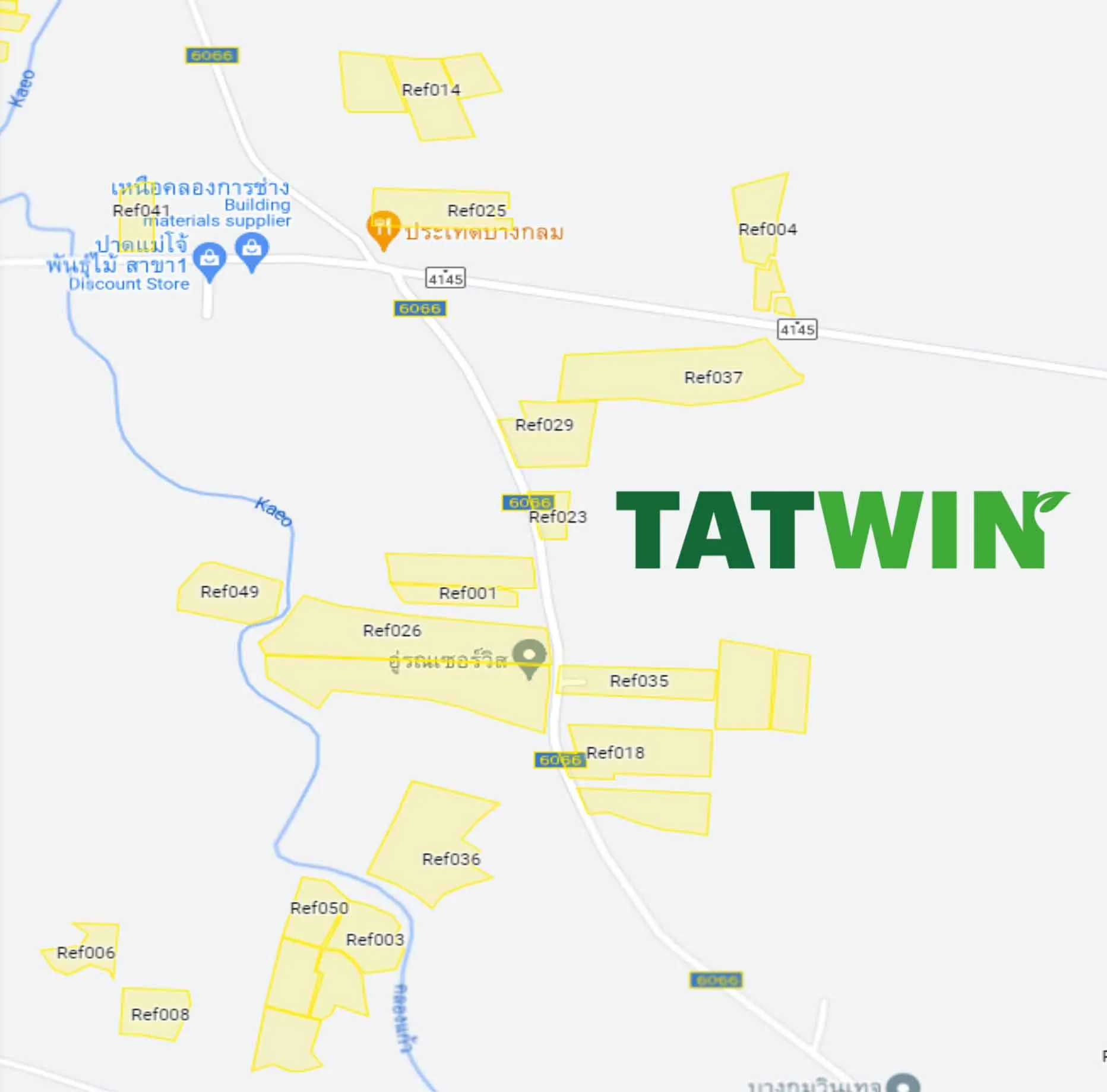
Every plantation pinned to GPS polygon coordinates — not a country, not a region, the parcel itself.
Geolocated plantations and per-shipment due-diligence data, in place before the deadline.

Tat Win shares the EU's goal to fight deforestation and forest degradation. We align with EUDR — the regulation that prohibits products linked to deforestation from entering the EU market.
So our policies map cleanly to the regulation: deforestation risk assessed plantation by plantation, due diligence documented for every EU-bound shipment, and continuous training across the farmers and collectors who supply us.

We are ready.
Plots mapped since 2023, the full certification stack in hand, and a Due Diligence Report with every EU-bound shipment. The deadline is December 2026 — we got there early.
To place rubber on the EU market, operators must prove it is deforestation-free and file a Due Diligence Statement. Three things make that possible — and Tat Win has built for all three.
Every plantation pinned to GPS polygon coordinates — not a country, not a region, the parcel itself.
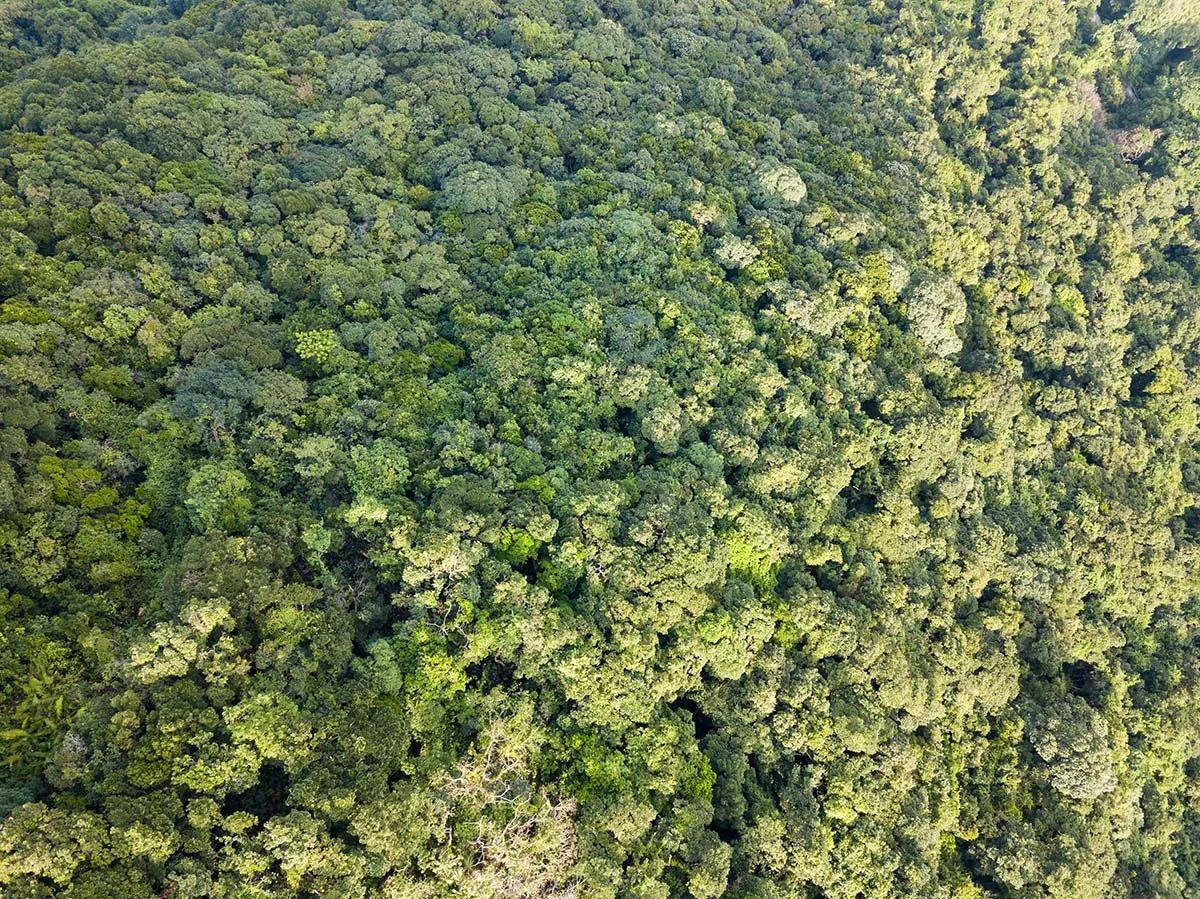
Product must come from land not deforested after 31 December 2020. We assess every parcel against it.
Source identification, risk assessment, risk mitigation — filed per shipment, and built to be audited.
Non-compliance can cost an EU operator up to 4% of its annual EU turnover. Plot-level polygon data is how that exposure is reduced — for your business and ours.
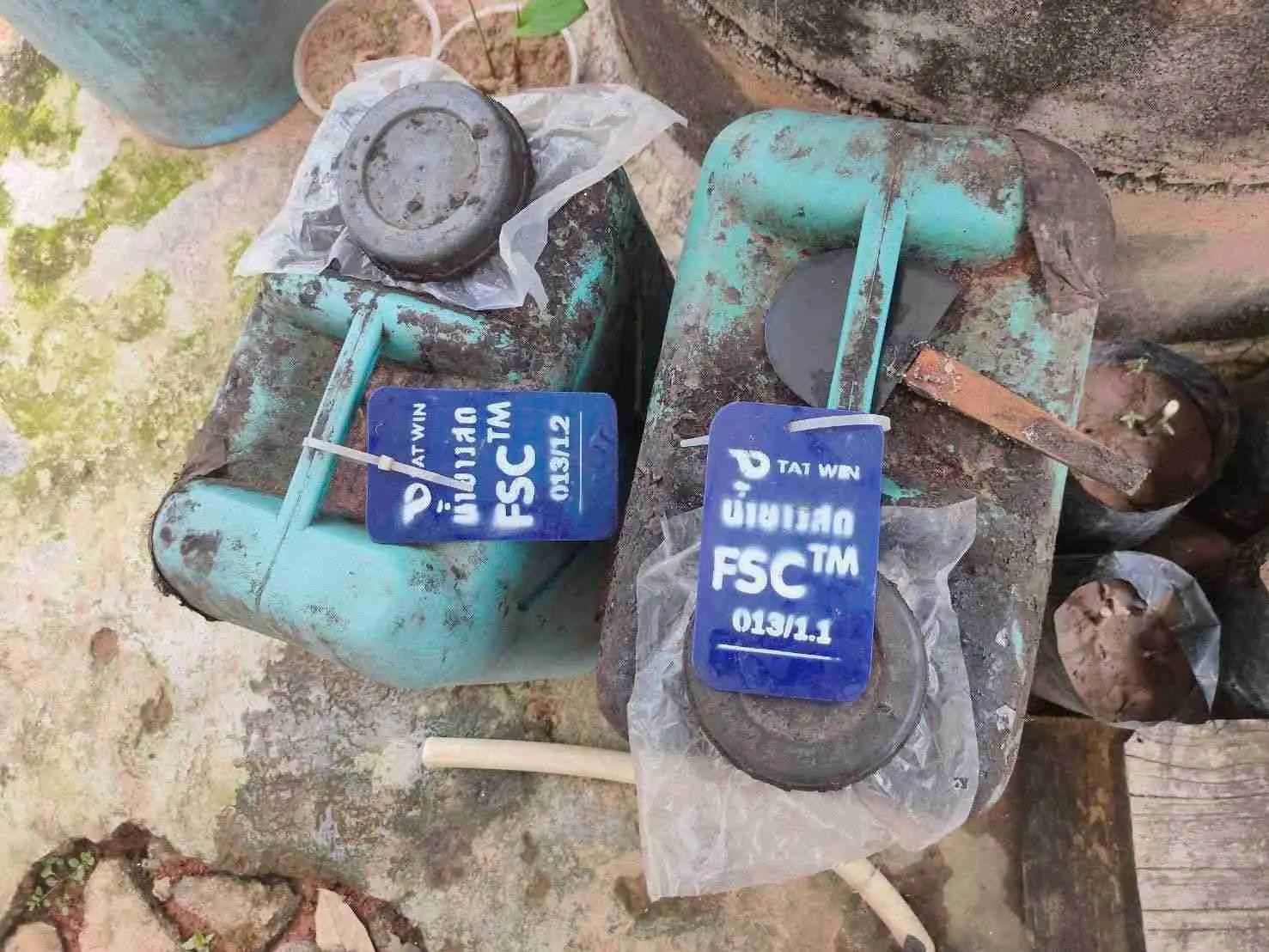
Risk mitigation built into how we operate.
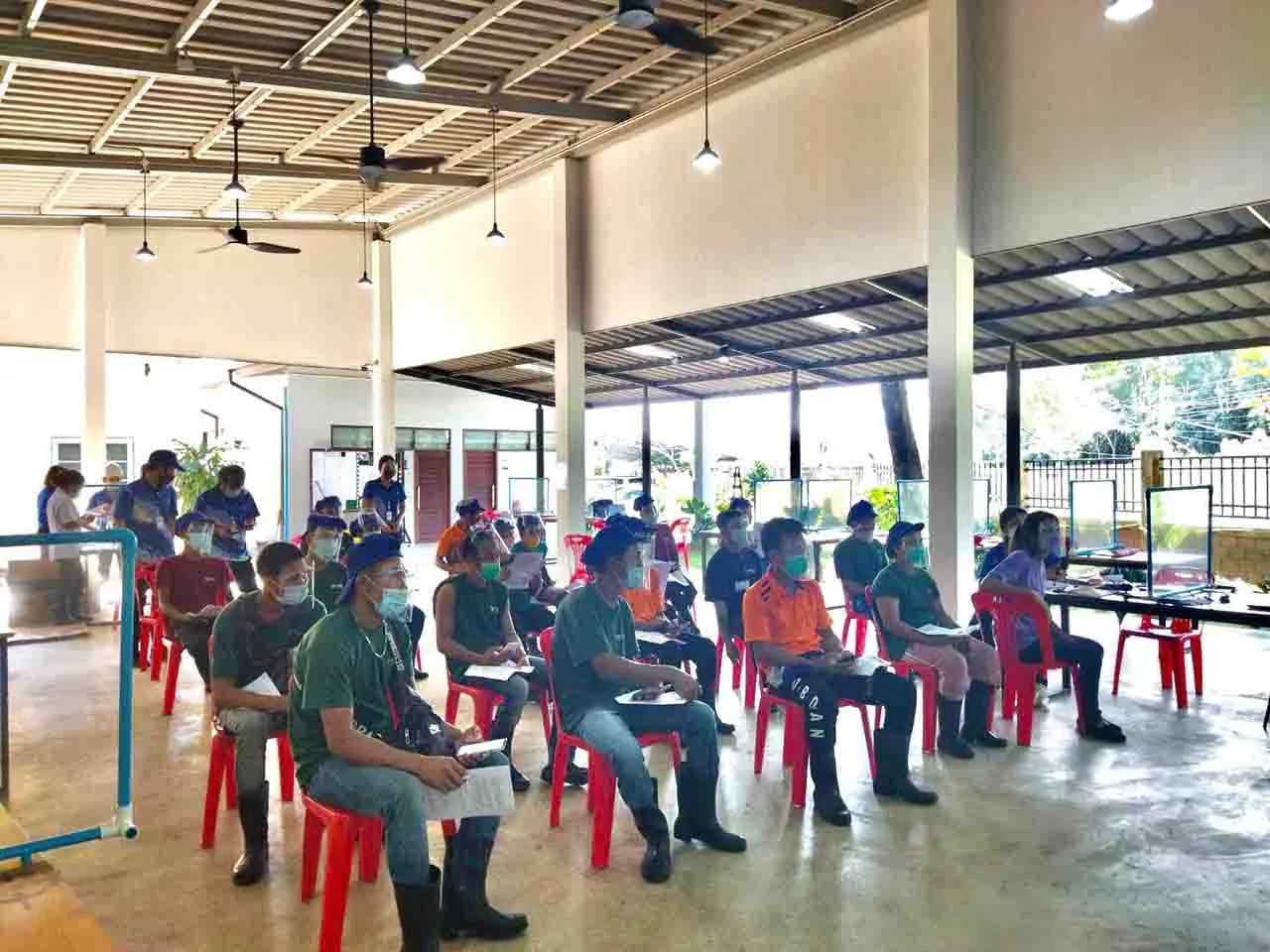
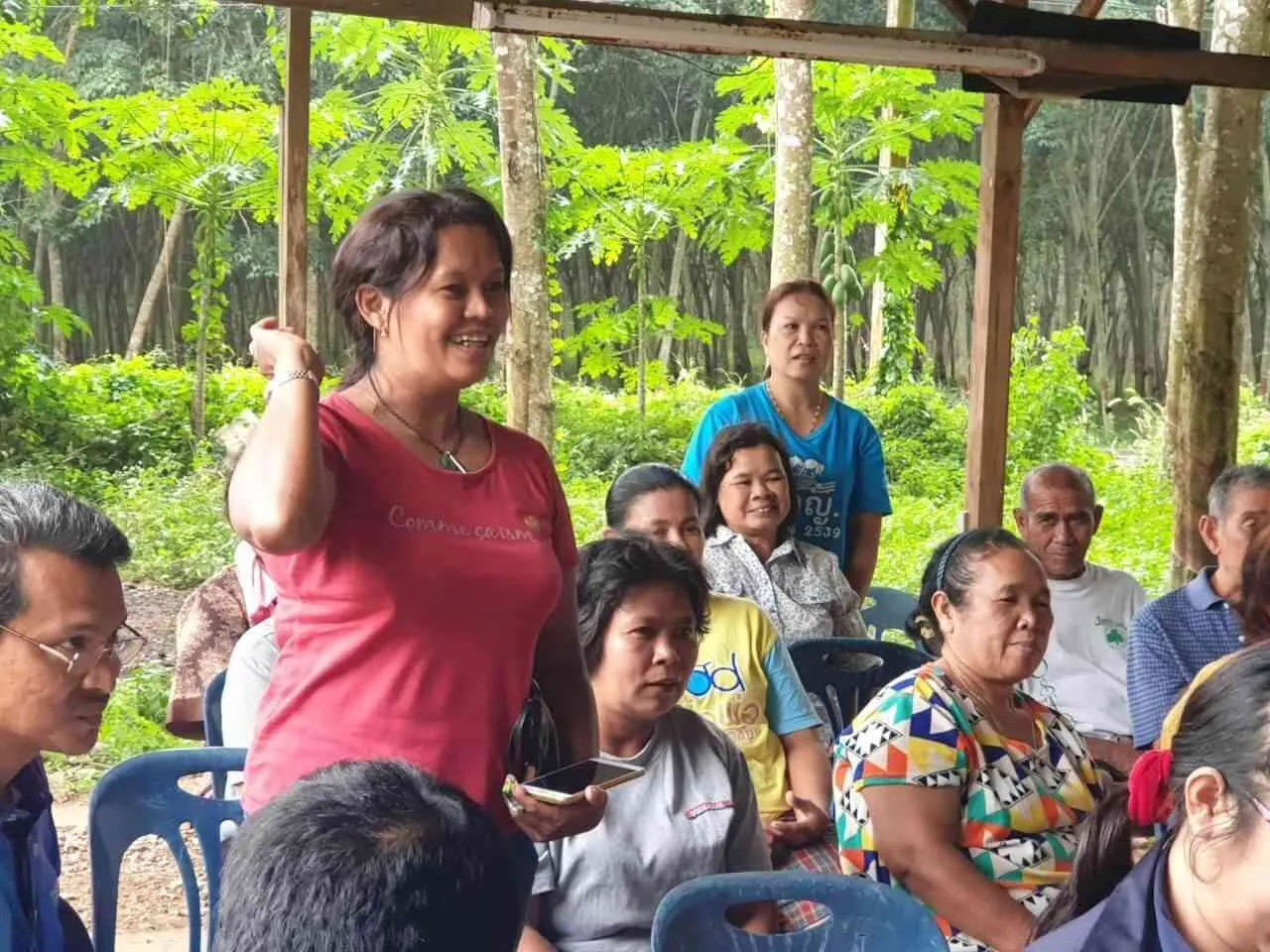
EUDR didn't change how we work — it asked us to document it.
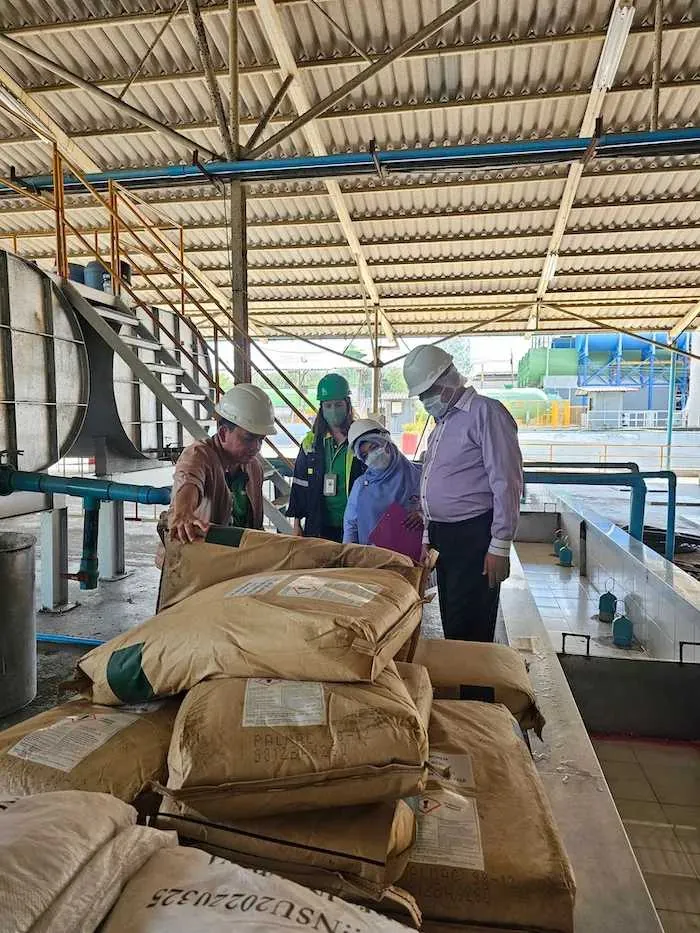
Before certification systems required it or deforestation regulations demanded it, caring for the farmers, their trees, and the collection centres was simply how we operated: comprehensive analyses, due diligence systems, stakeholder training, risk mitigation — the regulation only asked us to put the work we'd already built on paper.
Before it was a regulation or a certificate, traceability was a system we built for ourselves. Every stage of the supply chain is live, interconnected, and locked — so a record entered at the tree can't be quietly rewritten later. That is what synchronised means. And one number opens all of it.
One number opens the whole chain — plantation polygons today; machine, worker, and tanker details soon.
Each supplier's plot is polygon-mapped, verified, and risk-mitigated before it is certified compliant. Provenance starts at the tree.
Compliant and non-compliant latex are kept apart, weighed, and logged in our app — a record that can't be fudged.
Arriving lots are weighed, sampled, and logged against their source, then routed to the right line and tank.
Concentration and QC run against the batch record — line, date, and results all tied to the source.
On dispatch, the Bill of Lading / Delivery Order is issued, bound to your order number.
Apps and a shared database link every department — collection, lab, production, dispatch. A record entered once follows the latex the whole way through.
Key steps are sealed with third-party timestamps and independent verification, so records can't be back-dated or quietly edited. The proof holds up to an auditor.
Customers trace any order through the same system we use internally — provenance, documents, and test results on demand. No request forms, no waiting on us.
We are extending Synchronised Traceability to the public. Soon a QR code on the product will open the exact plantation polygon your latex came from — on any phone, no login required.
EUDR is a regulation. FSC is a certificate. Synchronised Traceability is ours — the standard we hold to even when a buyer asks for neither.
We run educational workshops on deforestation and degradation with smallholders and plantation owners, and invest in initiatives that restore degraded land and protect biodiversity across the regions we source from.
Meeting the regulation keeps latex in the EU market. Going further is how we keep the land productive for the next generation of growers.

Independently audited and certified across quality, environment, safety, social compliance, and chain of custody.
Not certifications, but the chemical-safety regulations of our key export markets — registered and compliant in full.