Lessons from the field — a first-hand account from Tat Win.
Three gaps stand between a smallholder and certification
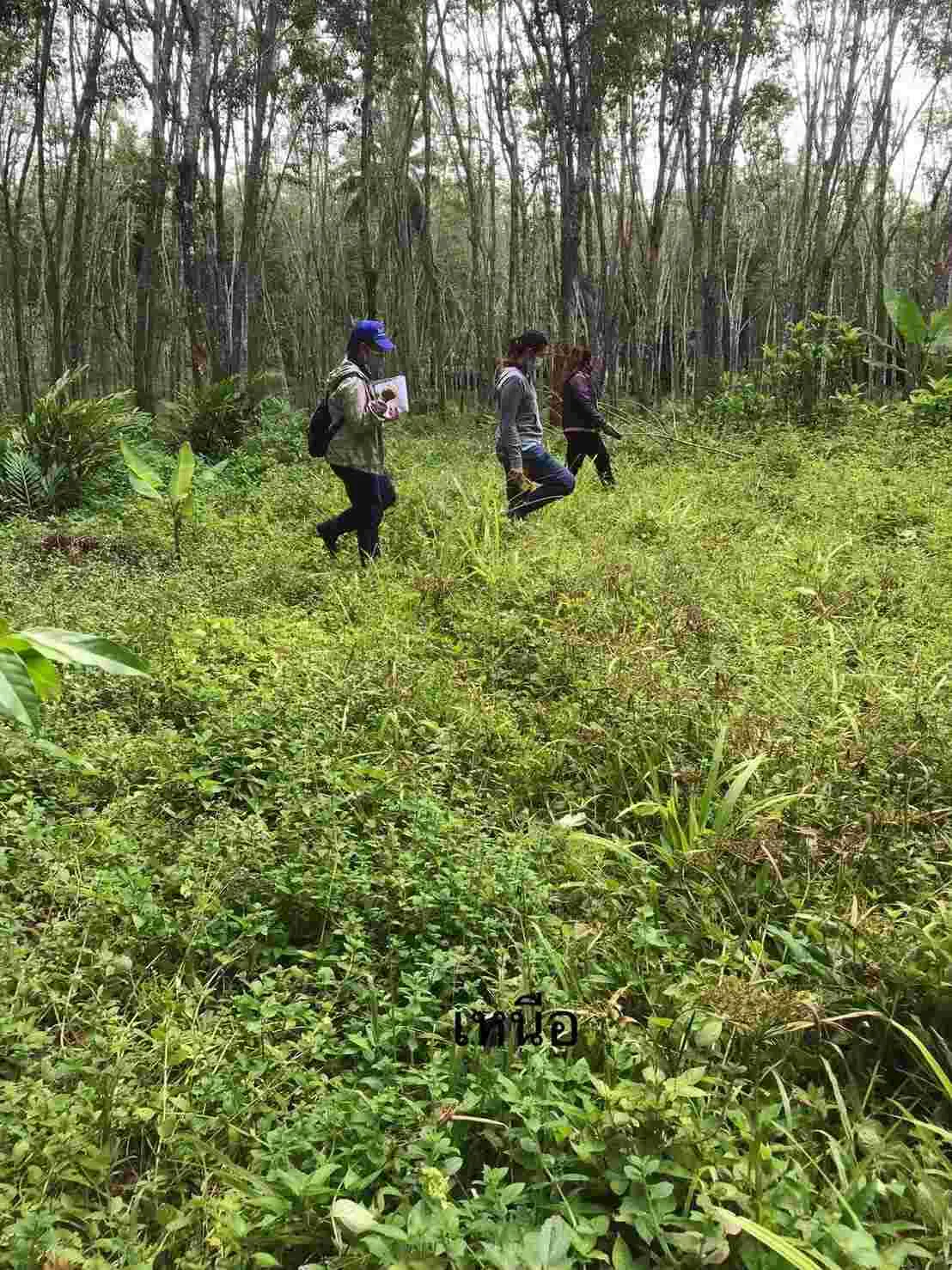
Bringing a smallholder into a certified chain comes down to closing three specific gaps. Here they are, from the field — and what it takes to close each one.
In a companion piece, our research desk set out why so little Thai rubber is certified — the structural reasons the smallholder base sits outside the standards. I want to take the next step and be specific. From where I sit, working to bring smallholders into a certified, traceable chain, three gaps do most of the holding-back. They are not mysteries, and none of them is beyond the industry’s reach. Close these three, and certification stops being the preserve of the large estates and becomes reachable for the farmers who grow the bulk of the crop.
I’m setting them out plainly because nothing here is helped by every producer working it out privately and slowly. The faster the industry closes these gaps, the faster the certified base grows — and that is good for buyers who need compliant supply, for farmers who need secure income, and for the forests the standards exist to protect.
| The gap | What closes it |
|---|---|
| Polygon mapping treated as the finish line | Mapping plus a documented mitigation layer — risk assessment, verification, corrective action |
| Worker-rights requirements never actually explained | Practical, in-context worker-rights education delivered to the farm |
| Title deeds and credentials trapped on paper | Low-friction digitisation of deeds, credentials and records |
One: mapping is necessary, but it is not the finish line
The first gap is the one most people assume they’ve already solved. Accurate, plot-level polygon mapping — drawing the true boundary of every farm — is essential. It is what lets a compliant plot prove it is compliant, and it is the antidote to the satellite misclassification that wrongly flags mature rubber agroforestry as forest.
But a boundary on its own does not get a farm certified. A map tells you where a plot is; it does not tell you what happens when that plot sits near a risk, or how that risk was assessed and resolved. The part that actually counts is the layer after the map: the documented mitigation — the risk assessment, the verification, the corrective action that turns coordinates into evidence an auditor and a buyer can rely on. The mapping is the price of entry. The mitigation is the work, and it is where most efforts stop short.
Two: worker rights, taught — not assumed
The second gap is people, not paper. Certification — FSC, the UN Guiding Principles, the ethical-audit standards European buyers ask for — carries real labour and worker-rights requirements, and they apply even at the scale of a family farm.
The issue is not that smallholders resist these standards. It is that almost no one has ever walked them through what responsible labour practice and worker rights actually mean in their own context, in their own language. A standard that has never been explained cannot be met, however willing the farmer. This gap closes with practical, accessible education delivered at the farm — not a policy document handed over, but understanding built, so the standard becomes something a grower can genuinely meet and sustain year after year, because the annual audit comes back whether or not anyone explained it the first time.
Three: documents that exist on paper but can’t be produced
The third gap is the most mundane, and in practice one of the most blocking. A smallholder’s title deeds, land credentials and records usually exist — but on paper, scattered, and almost impossible to produce on demand when an auditor asks.
Certification and traceability run on documentation. A farmer who cannot quickly evidence ownership and provenance cannot easily be brought into the chain, however well their plot is managed. The gap closes by helping smallholders digitise — simply, and at genuinely low friction — the deeds, credentials and records that compliance depends on, so the paperwork stops being the wall it currently is. The technology to do this is not the hard part. Making it easy enough that a busy farmer will actually use it is the whole challenge, and it is the one worth solving.
Closing the distance
None of these three is a mystery, and none requires a breakthrough — they require attention. Accurate mapping carried through to mitigation; worker rights actually taught; documentation made digital and producible. Get those three right and the path to certification opens for the smallholder base, not only the estates that can afford to walk it alone.
We are working on all three, and we don’t imagine we’re the only ones who can — nor should we be. I’ve set them out here because the certified pool grows faster when the people doing this work compare notes, and because in this corner of the industry the standard rises for everyone, or it doesn’t rise at all.
This is the practitioner’s companion to our analysis of the same problem — The hard mile: why so little Thai rubber is certified.
A research question we can help with?
- Business enquiries
- followup@tatwin.com
- Address
- Tat Win Company Limited
574/1 Moo 5, Pang-La, Sadao
Songkhla 90170, Thailand - Phone (Thailand)
- 074 260 567089 870 8494